
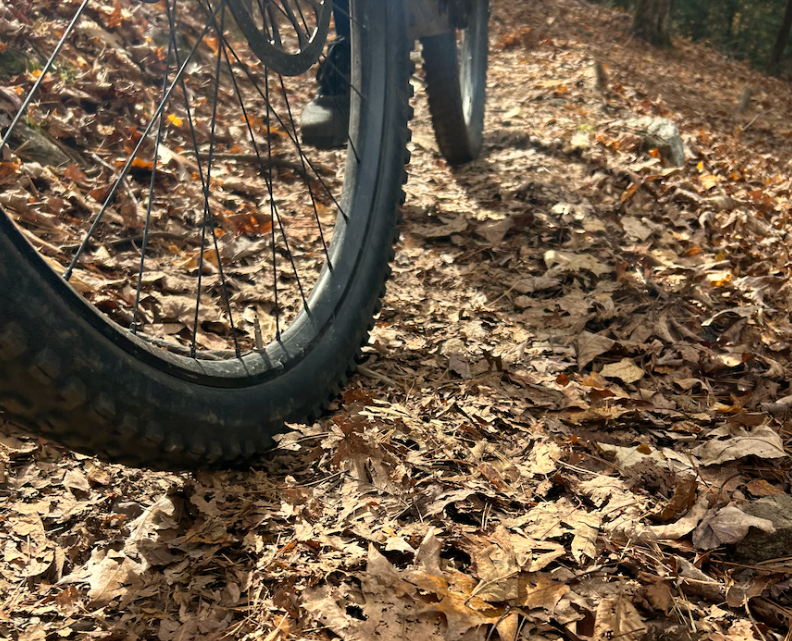
We have an ever evolving take on the age old question, to leaf blow or not to leaf blow? We understand that there are very valid reasons, with data to back it up, on both sides of the choice we make. We hear you and have done our best to develop a strategy for leaf blowing FOTW trails.
We have done a lot of research over the past 3 years from reading various scientific studies, fielding your feedback and testing things out on our trails. Here is a recap of the benefits on either side of the issue.
Some benefits of leaf blowing trails:
- Easier to navigate
- Better visibility of roots and rocks
- Provides better traction (both wet and dry leaves are slippery)
- Drains are clear of debris
- Can dry trails faster by exposing them to sun and wind.
Some benefits of NOT leaf blowing trails:
- Protective layer which prevents erosion during heavy rain
- Leaves prevent lighter rains from soaking into the soil, effectively keeping the trails dryer
- Insulates the ground resulting in less freeze/thaw cycles
There are distinct benefits to both, and as trail stewards we walk a fine line between what is best for the integrity of the trail and what is fun and safe for users. We have considered things like the amount of user traffic, types of soil and amount of roots and rocks at any given network. The most important factor for finding a balance is timing. So, we plan to leaf blow almost all of our trails and we plan to do it in the next 2 weeks. This captures the first big wave of leaf drop in October, but still allows for the late drop into November to provide some protection to the soils over the winter.
There are specific trails at Sunny Hollow and Saxon Hill which we will not leaf blow because the sandy soil at these networks benefits from the leafy organic matter. The amount of year round traffic these networks see also help break down the leaves into a mulch which holds moisture come summer time!